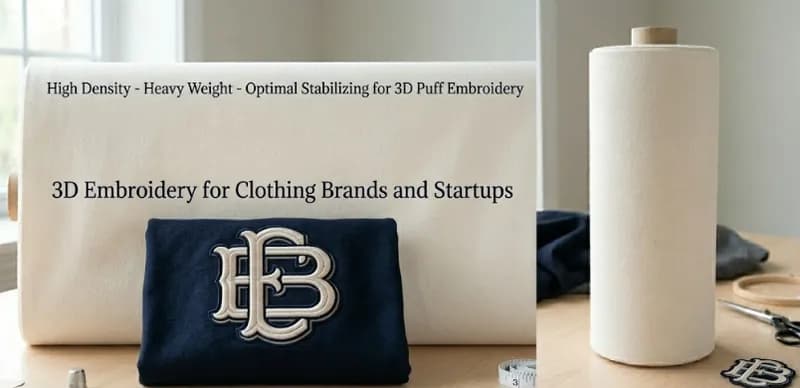
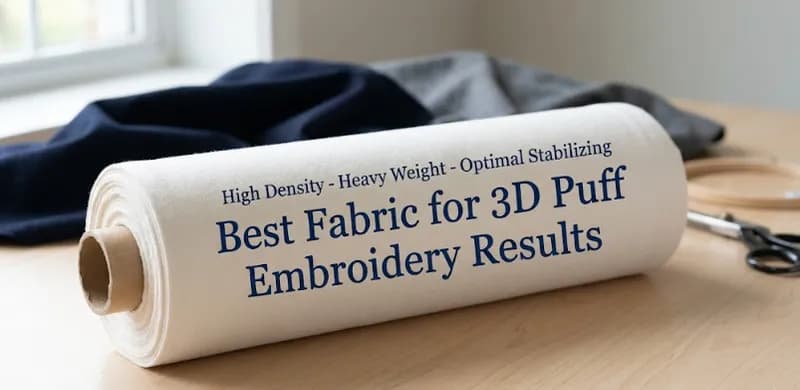
Best Fabric for 3D Puff Embroidery Results
Picking the right fabric for 3D puff embroidery makes a huge difference between a clean professional raised look and a messy sagging disaster. You have this cool design ready but if the material cannot support the foam and dense stitches your puff effect falls flat literally. Honestly so many clothing brands and custom shops waste time and money because they test on the wrong base.
Here is something most will not tell you straight up. Not every fabric handles the extra bulk and tension of puff work well. Sturdy stable materials give the best results while thin or stretchy ones cause distortion puckering or poor height. At Digitizing Studio we are based in Naperville Illinois with over a decade of hands on experience. We keep things simple with flat 15 dollar per design no stitch count surprises and typical turnaround in just 2 to 6 hours.
Think about it you are an apparel brand in the USA a promo company in Australia or a fashion boutique in Germany. You need reliable fabrics that make your 3d puff embroidery pop consistently so customers notice and touch your products. In this guide we break down the best fabric choices for 3d puff embroidery why they work common mistakes and how proper digitizing helps any material perform better. Our guarantees like free revisions free minor edits and free format conversions take the stress out. Ready. Let us dive in.
What Makes a Fabric Good for 3D Puff Embroidery
The best fabric for 3D puff embroidery needs to be stable sturdy and able to handle extra weight from the foam plus dense satin stitches without stretching or distorting. Heavyweight materials provide solid support so the raised effect stays crisp and even after tearing away the extra foam.
Basically the fabric acts as the foundation. If it moves or sags during stitching the puff looks uneven or collapses later. 3d puff foam adds height but it also adds tension so the base must stay firm.
And get this the global embroidery market reached around 3.7 to 4.8 billion dollars in 2025 and keeps growing toward 7.7 to 10.9 billion by 2033 or 2034 with a CAGR between 6.9 percent and 9.6 percent. The decorated apparel market itself heads past 68 billion dollars by 2030 at around 13 percent growth. Brands want premium tactile finishes so choosing the right fabric for 3d puff embroidery helps you stand out and justify higher prices.
Ever wondered why some puff designs look amazing on caps but terrible on soft tees. It usually comes down to fabric stability. Structured heavyweight options win every time for clean professional results.
Top Fabrics That Deliver the Best 3D Puff Embroidery Results
Heavyweight cotton and polyester blends top the list for 3d puff embroidery. They offer good structure breathability and strength to hold the foam securely. Cotton feels natural while polyester adds durability and shape retention making the combo ideal for hoodies and jackets.
Denim and twill come in strong too. These woven fabrics have tight construction that resists distortion and supports bold puff height perfectly. They work great on structured caps and outerwear where you want the raised effect to stay sharp.
Canvas and heavyweight fleece also perform well. Canvas gives a rugged premium look while fleece adds softness underneath the puff for cozy apparel.
Puff hat embroidery shines brightest on firm front panels like those in Richardson style caps made from cotton poly blends. The stability keeps the puff elevated without sinking.
We have seen these materials give consistent results for clients worldwide. They handle the extra bulk of puffy foam embroidery without issues when digitized correctly.
Why Structured Caps and Heavyweight Materials Excel With Puff
Structured caps remain the absolute favorite for 3d puff embroidery. Their firm front panels and stable construction support the foam and stitches without collapsing. The puff stays raised and looks professional even after repeated wear.
Heavyweight materials in general win because they provide tension and support during hooping and stitching. The fabric does not shift so the 3d puff foam for embroidery locks in place cleanly.
Think about your own projects. On a sturdy cotton poly hoodie the embroidery puff feels plush and premium. On lightweight stretchy tees the same design might pucker or lose height quickly.
For clothing brands and startups these stable bases help small runs look high end. They also reduce waste because designs run smoother with fewer adjustments.
Fabrics to Avoid or Use Carefully for 3D Puff Embroidery
Thin lightweight fabrics like lightweight cotton tees or delicate knits struggle with 3d puff embroidery. They lack the strength to support the foam weight and dense stitching so the design distorts or sags after washing.
Highly stretchy materials such as performance knits or spandex blends cause even more problems. The fabric moves during stitching and the puff effect becomes uneven or flattens over time.
Slippery or loosely woven options like silk or lightweight linen also make poor choices. They do not grip the stabilizer or foam well leading to shifting and messy results.
If you must use lighter fabrics go with thinner 2 to 3 millimeter foam and slower machine speeds. Still the results rarely match what you get on stable heavyweight bases. Test samples first to avoid disappointment.
How Fabric Choice Affects Puff Height Durability and Final Look
Stable heavyweight fabrics like denim twill and cotton poly blends let you achieve maximum puff height without distortion. The puff embroidery foam stays supported so the raised effect looks bold and stays that way after wear and washing.
On these materials the design feels premium and holds up better in real world use. Customers touch the raised logo and remember your brand.
On less stable fabrics the height often compresses faster and the edges may fray or show foam. Durability drops and you risk puckering or gaps.
Puffy foam embroidery looks its absolute best on firm bases. That is why so many successful apparel lines stick with structured caps jackets and hoodies for their puff work.
Best Practices for Preparing Fabric Before 3D Puff Embroidery
Always hoop the fabric tightly like a drum so it stays stable during stitching. Use the right stabilizer tear away for sturdy woven fabrics or cut away for any stretch.
Pre wash and dry the material if possible to remove shrinkage risks. Test your exact combination of fabric foam and thread on scraps before full production.
Sharp needles number 11 or 14 help cut through cleanly without dragging. Slow the 3d puff embroidery machine slightly during foam sections to prevent shifting.
Color matched foam prevents ugly edges after tearing. At Digitizing Studio we ask about your fabric choice during 3d puff digitizing so the file performs perfectly on your material.
Common Mistakes With Fabric and 3D Puff Embroidery
Using stretchy or lightweight fabric is the number one error. It leads to distortion sagging and poor puff height no matter how good the design looks on screen.
Skipping proper stabilization causes shifting and uneven results. The foam moves and the stitches do not lock it down correctly.
Not testing on the actual fabric leads to surprises in production. What works on one material fails on another.
Ignoring pull compensation or density settings for your specific fabric causes puckering or gaps. Professional digitizing fixes most of these issues before you stitch.
How Proper Digitizing Helps Any Fabric Perform Better in Puff Work
Even on good fabrics bad digitizing ruins the puff. 3d embroidery digitizing for puff needs special settings like stop codes for foam placement wider satin columns and adjusted density.
Embroidery digitizing services build files that match your exact fabric type foam and machine. We account for stretch tension and material behavior so the 3d puff embroidery looks clean every time.
Embroidery digitizing services really shine when precision counts for puff foam embroidery.
Embroidery digitizing services deliver clean results for satin stitch sewing machine symbol accuracy in puff work.
Embroidery digitizing services make 3d embrodery and foam embroidery look professional every time.
Embroidery digitizing services support puff embroidery designs and 3d puff foam perfectly on the best fabrics.
Real Examples How Fabric Choice Changes 3D Puff Results
One clothing brand used sturdy cotton poly twill for hoodies. The 3d puff digitizing gave perfect raised logos that customers loved and the pieces held up wash after wash. Sales increased noticeably.
A promo company tried puff on lightweight tees and the effect flattened quickly. Switching to structured caps with firm panels fixed everything and social shares jumped.
A German boutique added embroidery puff accents on denim jackets. The stable fabric made the texture pop and repeat orders followed.
Think about your own line. The right fabric turns a good design into something people remember and touch.
Market Trends Showing Demand for Premium Puff on Quality Fabrics
Let us look at real numbers. The US commercial embroidery services market sits around 987 million dollars in 2026. Globally the embroidery sector expands because personalized apparel keeps selling. The decorated apparel market grows toward 68 billion dollars or higher at 8 to 13 percent CAGR.
3D foam embroidery usage jumped in sportswear fashion and startup collections. Customers pay more for textured premium looks especially on quality bases. One in five will even pay a premium for personalization.
Voice search plays a role too. 41 percent of adults use it daily and ask things like how to do puff embroidery or best fabric for 3d puff embroidery.
Brands using stable fabrics for 3d puff embroidery stand out and command higher prices in competitive markets.
Advanced Tips for Getting Perfect Puff Results on Different Fabrics
On heavyweight cotton poly use 3 millimeter foam for dramatic height. On denim or canvas you can push for even bolder effects.
For slightly lighter but still stable blends try 2 millimeter foam and add a light tack down stitch.
Hybrid designs with flat areas on the same garment give nice contrast on sturdy fabrics.
Puff embroidery machine runs smoother with slight speed reduction and sharp needles. Our 3d puff embroidery digitizing handles these variations so you get consistent results across orders.
How to Care for 3D Puff Embroidery on Your Chosen Fabric
Keep care simple. Turn garments inside out wash on gentle cycle in cold water and avoid high heat dryers. Sturdy fabrics like cotton poly and denim handle this well and keep the puff looking fresh longer.
Your customers will appreciate pieces that stay raised and sharp after many wears.
Getting Professional Help for 3D Puff Embroidery on Any Fabric
Whether you work with cotton poly denim twill or other stable materials the process stays easy. Upload your art tell us the fabric details and get pro ready files back quickly.
Ready to achieve the best 3D puff embroidery results on your next collection. Head over to https://digitizingstudio.com/order upload your design and let us help you choose the smartest fabric approach. Or call us at 630 931 2700 or email info@digitizingstudio.com. We make sure your embroidery looks exactly how you want it.
Wrapping Up Best Fabric for 3D Puff Embroidery Results
You have seen that sturdy stable fabrics like heavyweight cotton polyester blends denim twill and canvas deliver the cleanest boldest raised effects in 3d puff embroidery. They support the foam and stitches so the puff stays elevated durable and premium looking. Thin or stretchy materials usually cause problems and reduce the wow factor.
At Digitizing Studio in Naperville Illinois we have spent over ten years helping clothing brands promo companies and custom shops pick the right fabric and execute perfect puff work. Flat 15 dollar pricing fast turnaround and real guarantees mean you spend less time worrying and more time growing.
Whether you use structured caps jackets or hoodies your puffy embroidery projects can look sharp and professional. Do not settle for guesswork. Upload today at https://digitizingstudio.com/order and see the difference. Call 630 931 2700 or drop us a line at info@digitizingstudio.com. Let us make your apparel stand out.
FAQ About Best Fabric for 3D Puff Embroidery
What is the best fabric for 3D puff embroidery. Heavyweight stable fabrics like cotton polyester blends denim twill and canvas give the best results. They provide strong support for the foam and dense stitches so the raised puff effect stays crisp and even. Structured caps with firm panels also perform excellently for puff hat embroidery.
Why do sturdy fabrics work better than lightweight ones for puff embroidery. Sturdy fabrics resist distortion and hold tension during stitching. Lightweight or stretchy materials shift or sag under the foam weight leading to uneven height puckering or flattened results after washing. Stable bases keep the 3d puff foam locked in place cleanly.
Can you do 3D puff embroidery on hoodies or jackets. Yes heavyweight cotton poly blends and similar materials used in hoodies and jackets work very well. They support the puff height and give a premium tactile feel. Just use proper stabilization and test samples first for consistent results.
Is denim good for 3D puff embroidery. Denim is one of the top choices. Its tight woven structure supports the foam and stitches without distortion. The puff looks bold and stays raised making it perfect for jackets and casual apparel.
What fabrics should you avoid for 3D puff embroidery. Avoid thin lightweight tees highly stretchy knits or slippery materials like silk. They lack the stability needed for the foam and dense stitching causing shifting distortion or poor puff height.
How does fabric choice affect the final puff height and durability. Stable heavyweight fabrics allow maximum clean puff height and better long term durability. Less stable materials often compress faster show foam edges or lose shape after washing. The right base keeps your puffy foam embroidery looking fresh longer.
Do you need special digitizing for different fabrics in puff work. Yes. Files should account for fabric stretch tension and weight. Professional embroidery digitizing services adjust settings so the 3d puff embroidery performs perfectly on your chosen material without puckering or gaps.
How do I get started with the best fabric and digitizing for my 3D puff project. It is straightforward. Go to https://digitizingstudio.com/order upload your artwork add notes about your fabric and submit. We review everything and deliver fast files optimized for great results. Or call 630 931 2700 or email info@digitizingstudio.com. Let us help your designs pop on the right base.